c. 1996 · Networks
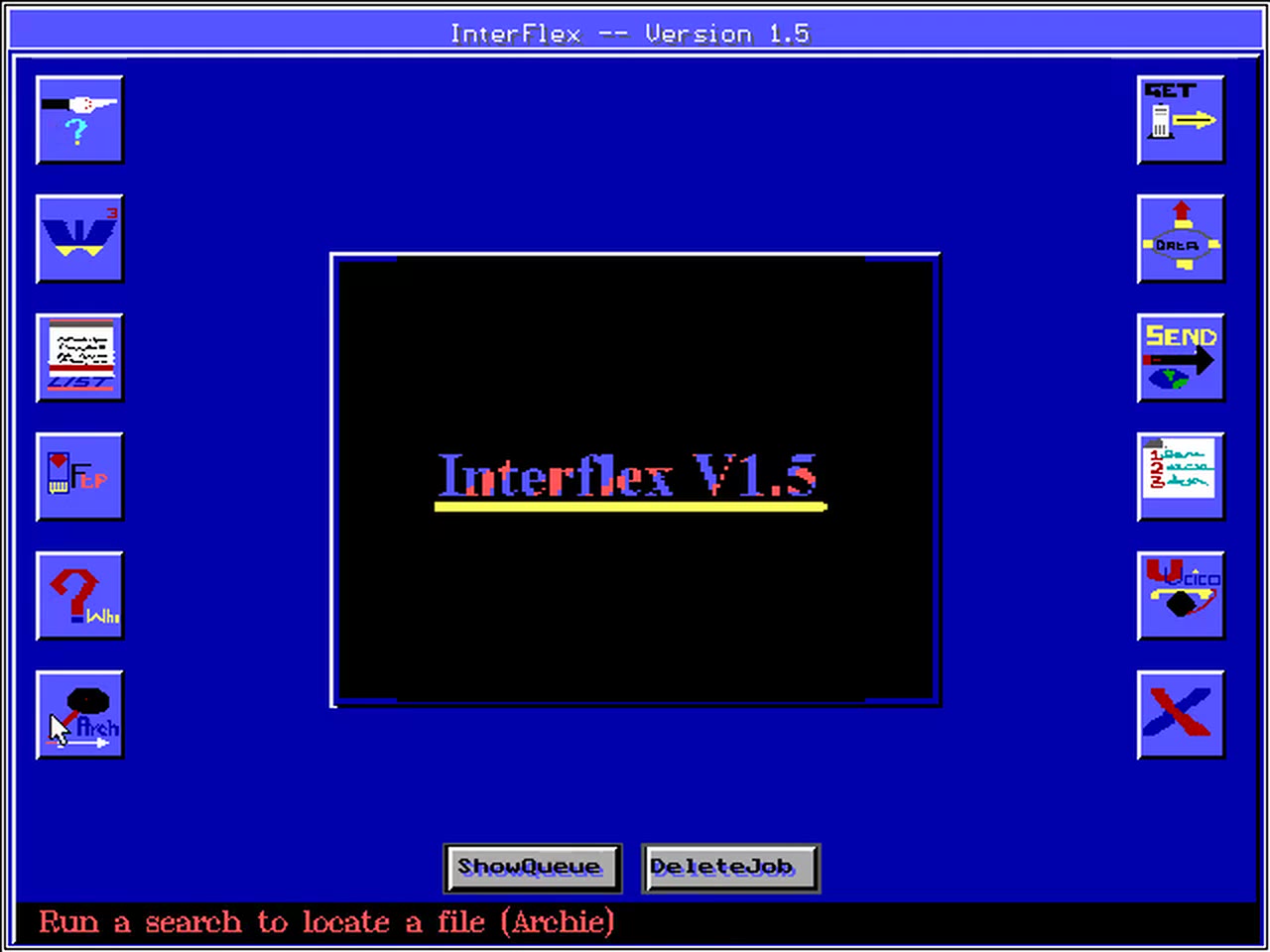
Interflex 1.5
A graphical client for requesting and reading material over UUCP.
Explore Computer MuseumCentral Texas
Programs written by Amir Husain in the 1990s, preserved through recordings, source material, and collection notes. Browse by subject or open an individual project.
A graphical client for requesting and reading material over UUCP.
Explore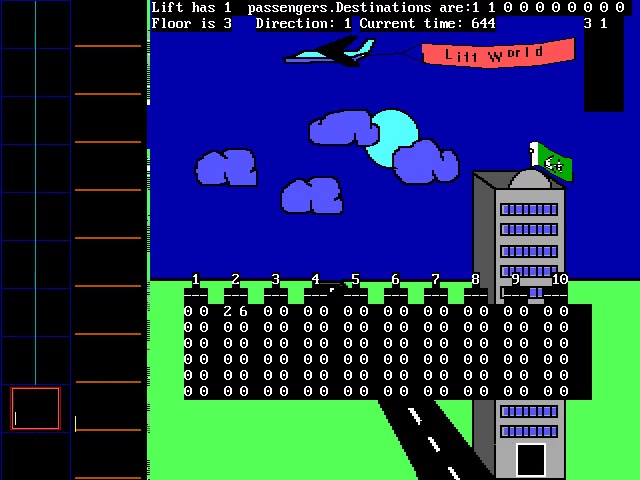
A fuzzy-logic lift scheduler with simulated passengers.
Explore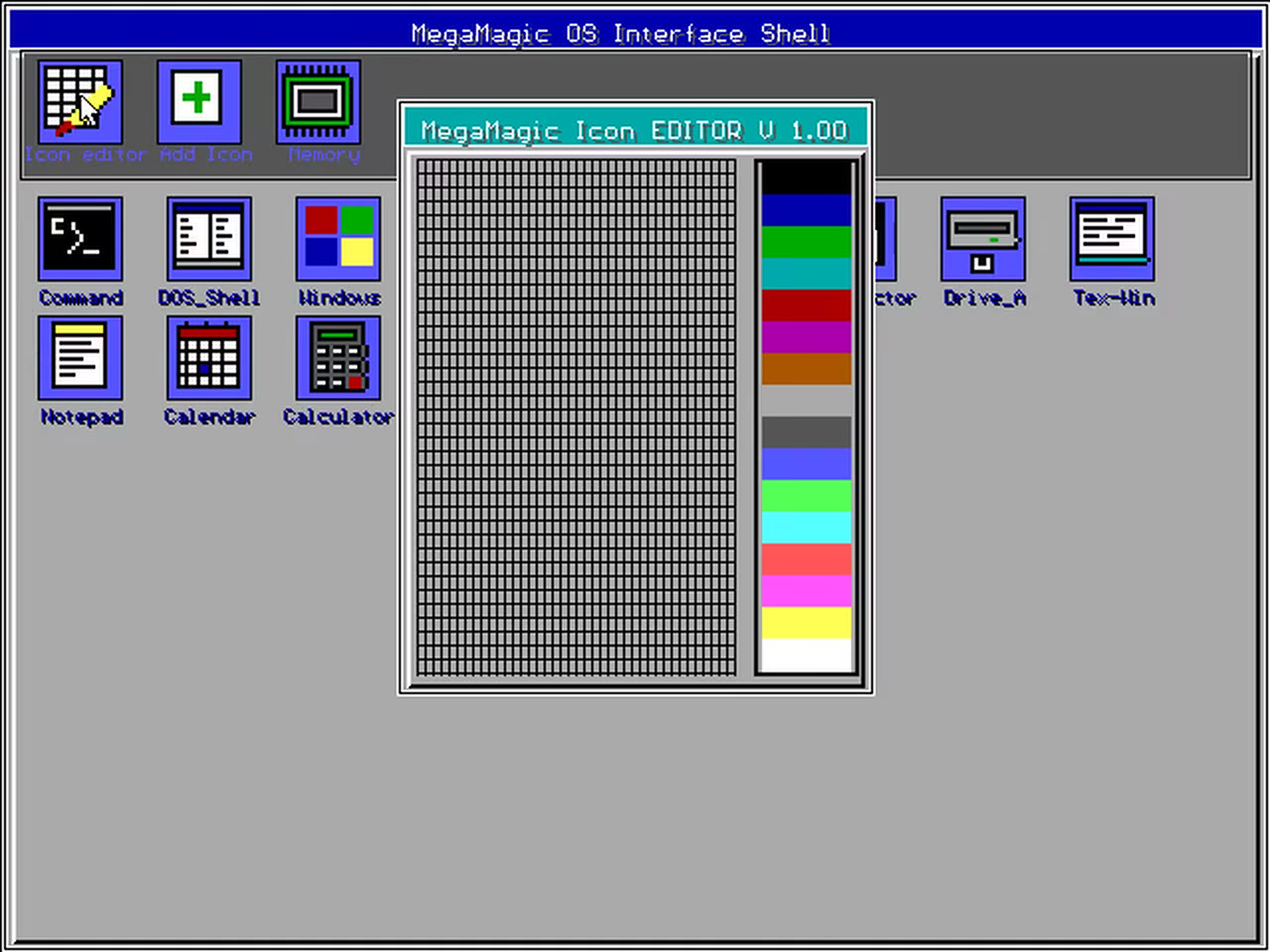
A graphical DOS shell with an icon editor and memory monitor.
Explore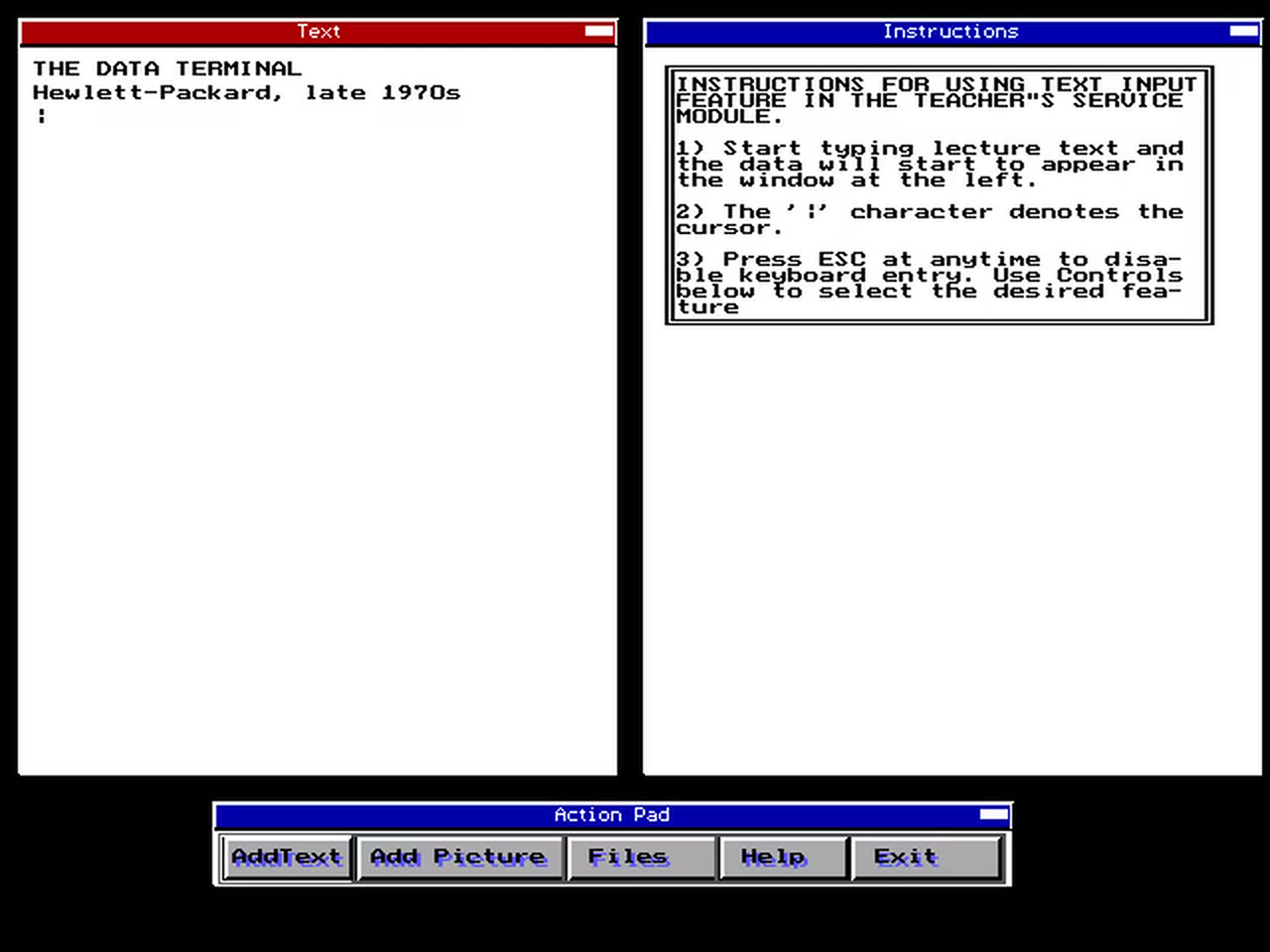
Separate DOS programs for authoring and reading illustrated lessons.
Explore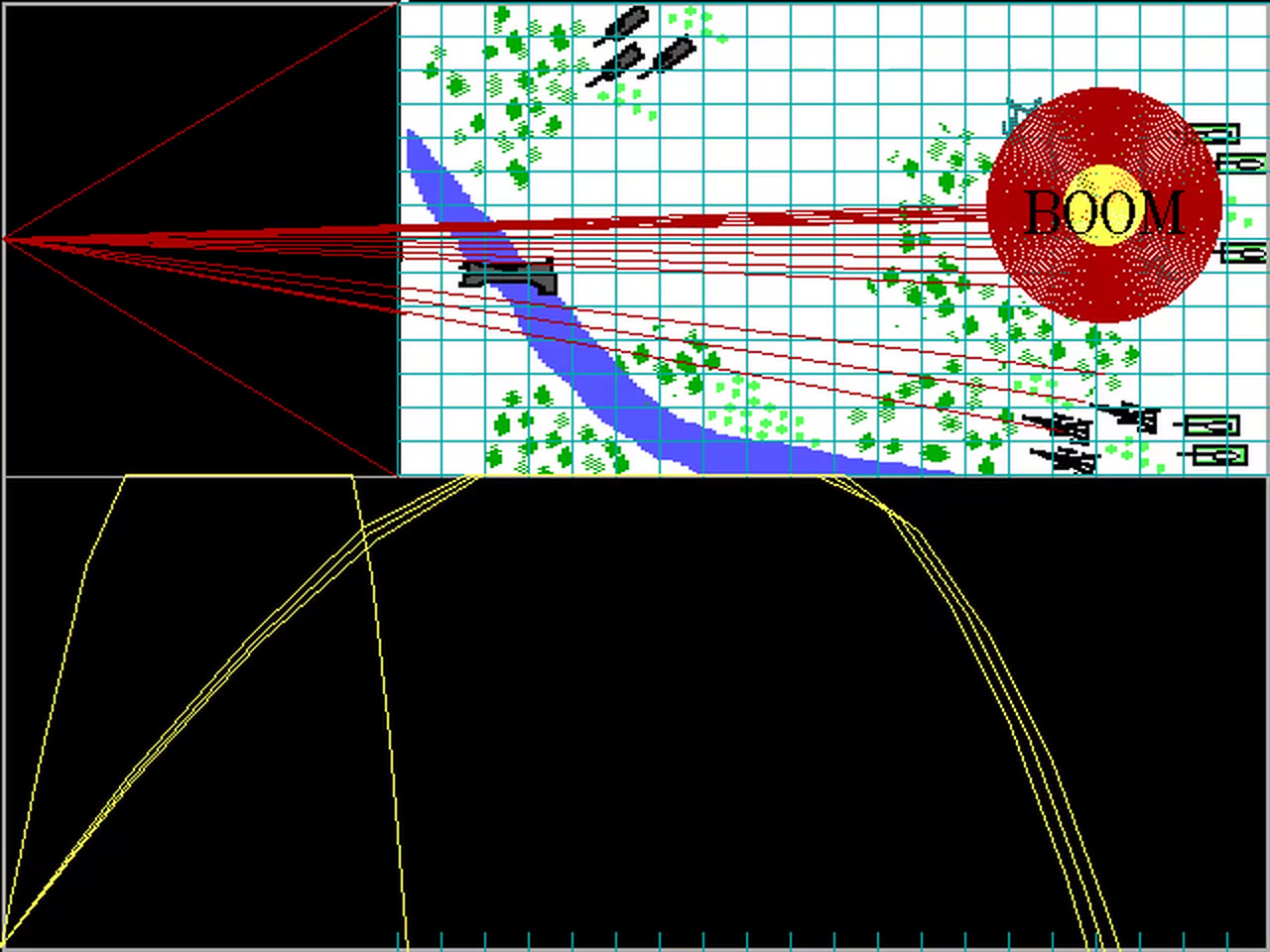
A targeting experiment using fuzzy rules and shot feedback.
Explore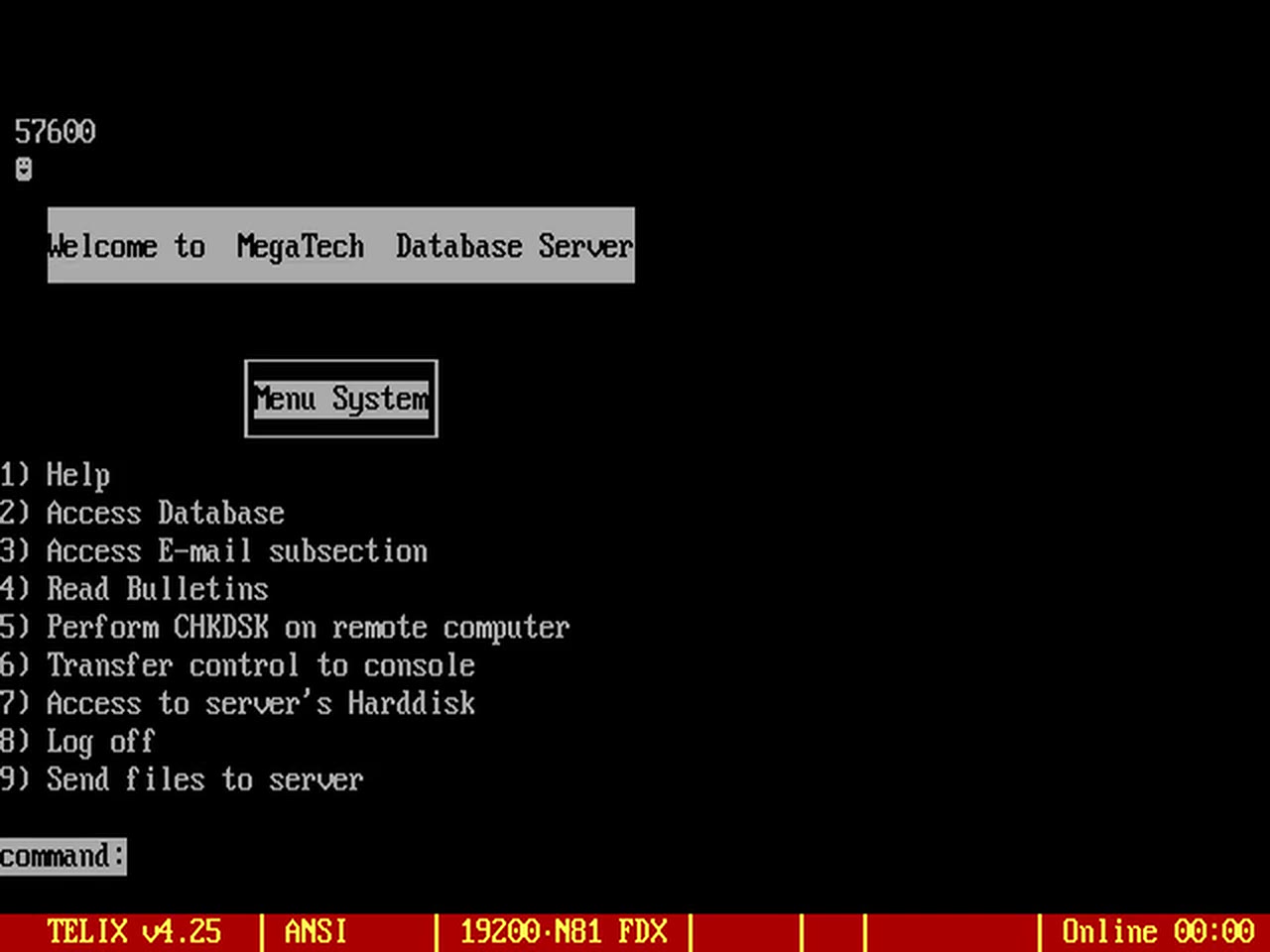
A QuickBASIC bulletin board system.
Explore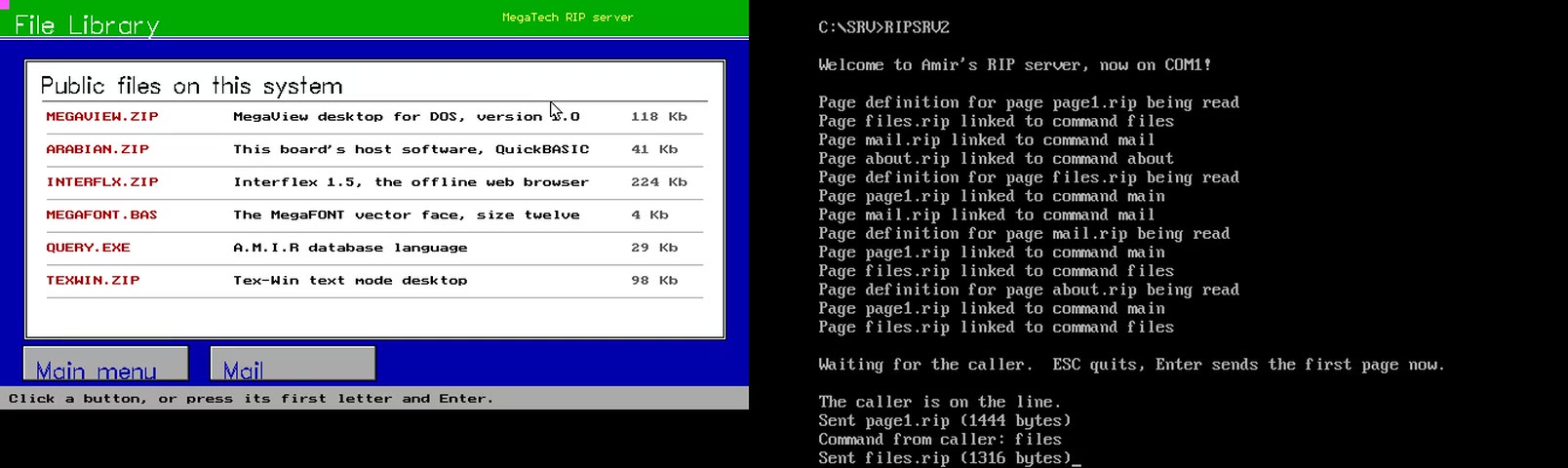
A server for graphical RIPscrip terminals.
Explore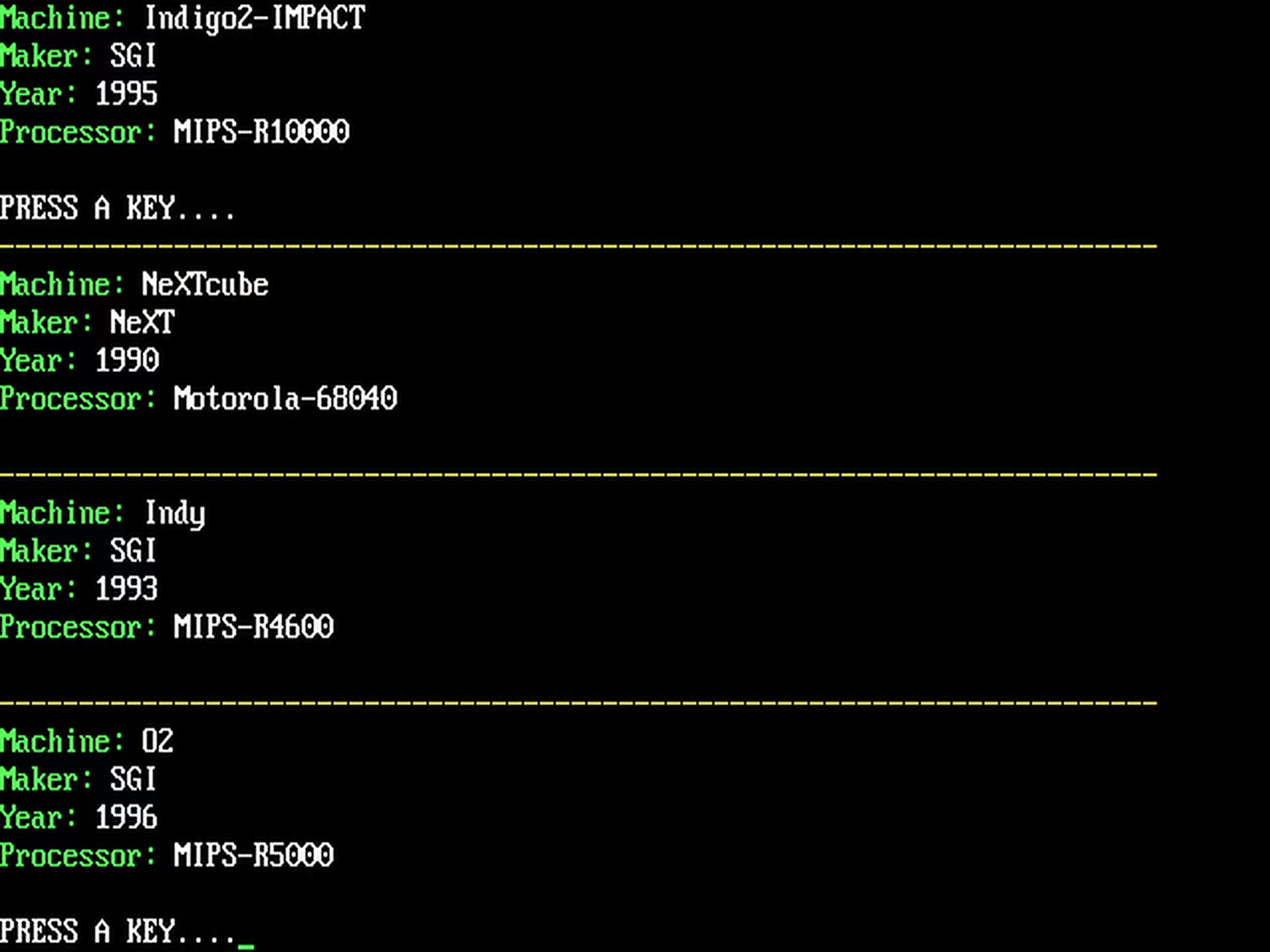
A command-driven database interpreter for DOS.
Explore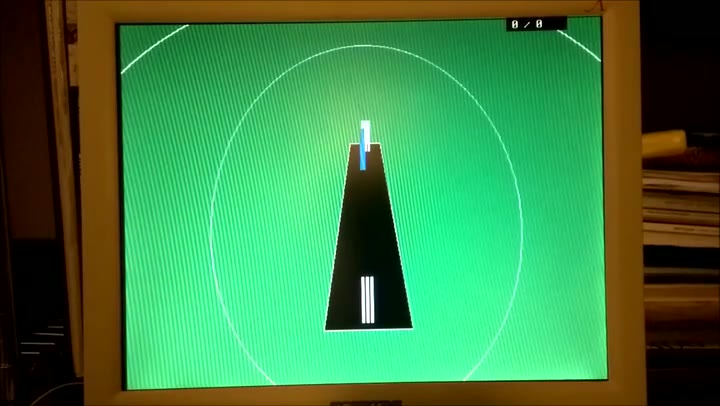
A two-player cricket game written in BASIC.
Explore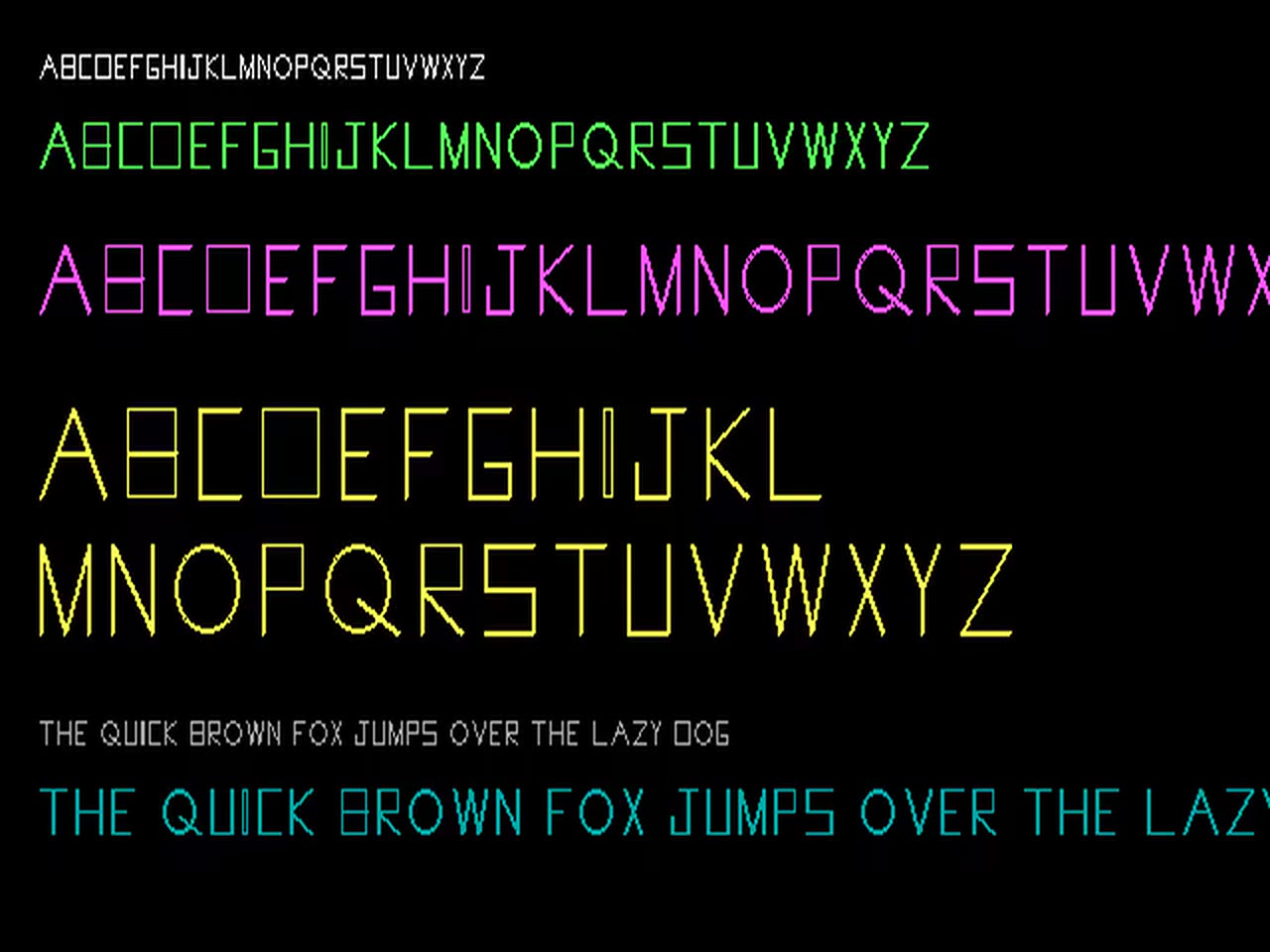
A typeface described by BASIC drawing instructions.
Explore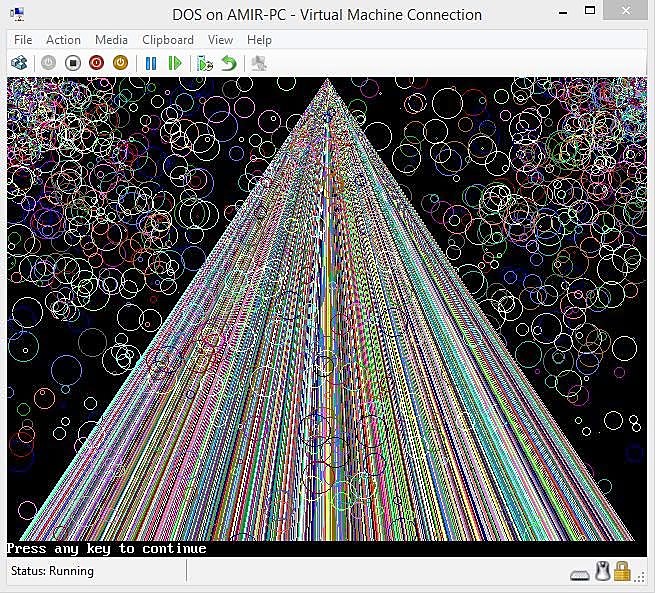
An integer-coordinate projection experiment in QBASIC.
Explore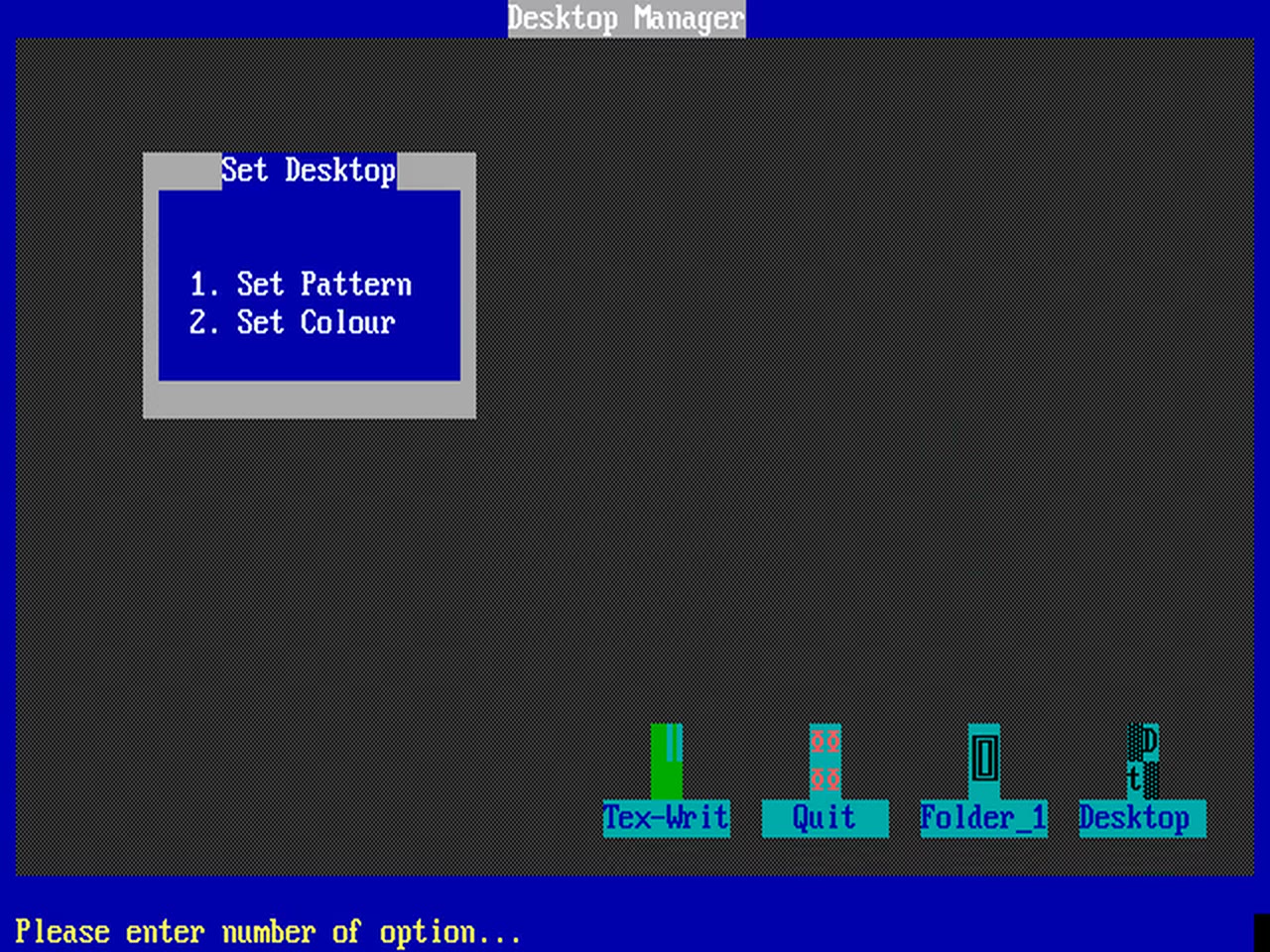
A desktop and editor built from DOS text-mode characters.
Explore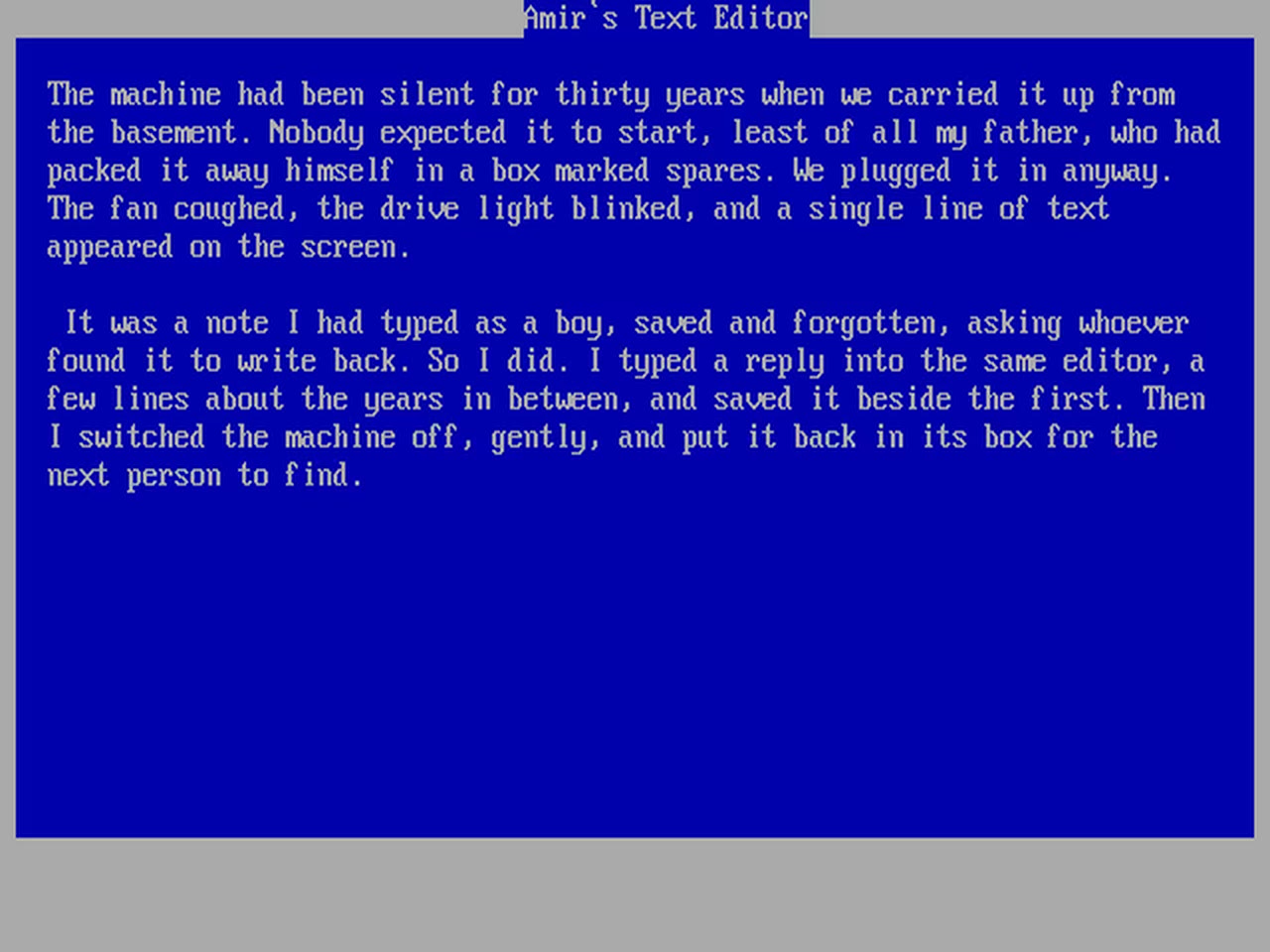
A DOS editor that writes directly to video memory.
Explore
A keypad-driven animator using ASCII sprite files.
ExploreA small HTTP server implemented with sockets in Perl 4.
ExploreA 110-line QBASIC rotation program.
ExploreThe recordings include original programs, rebuilt executables, and demonstrations with reconstructed assets. Each project page explains what can be seen and heard, so the recordings remain understandable even when a visitor does not run the software.
The material also includes an early website carrying UNDP and SDNP identities. Its network context is explored in Networks Before the Web; those identities remain a thread for further research into the network’s history.
AI from 1987 records associative memory on a Commodore 64. ChatGPT, 1992 Edition records Dr. Sbaitso, a rule-based talking program supplied with Sound Blaster cards.
A small browser reconstruction of the collection’s text-mode graphing idea. Enter a BASIC-like equation and the display plots it using the same character-grid vocabulary: axes, points, and colored traces.
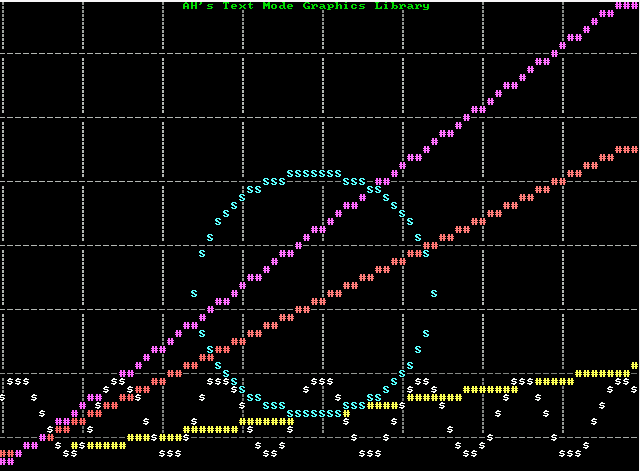
The plotter accepts arithmetic, x, and common Math functions such as sin, cos, tan, sqrt, abs, and log.